 theflavoralchemyltd@gmail.com
Understanding the Importance of Quality Ingredients
In the realm of catering, the significance of selecting quality Caterers Food Ingredients cannot be overstated. High-quality ingredients are the foundation upon which memorable culinary experiences are built, serving as a crucial component in the overall satisfaction of guests at events such as weddings, birthdays, and corporate gatherings. The impact of these ingredients extends beyond mere taste; they directly influence the visual presentation of the dishes served, which can enhance the guest experience significantly.
The use of premium ingredients often correlates with enhanced flavors, allowing caterers to create dishes that tantalize the palate. Fresh herbs, seasonal vegetables, and carefully sourced proteins not only elevate the taste but also contribute to a more authentic and satisfying dining experience. When caterers prioritize quality, the result is a menu that resonates with attendees, leaving a lasting impression that can enhance the reputation of the event itself.
Additionally, the presentation of food is deeply intertwined with the quality of ingredients used. Dishes crafted from fresh, vibrant components are visually striking, drawing attention and stimulating appetite. A well-presented meal can serve as a conversation starter among guests, further enriching the overall atmosphere of the event. In essence, high-quality ingredients support not only culinary excellence but also add aesthetic value, ensuring that the food is as delightful to look at as it is to taste.
Moreover, guest satisfaction is significantly affected by the quality of the food served. When individuals attend events, their expectations for taste and presentation are often high. Utilizing superior ingredients helps caterers meet, if not exceed, these expectations, resulting in a positive reception of the event and the catering service. Ultimately, the importance of quality ingredients in catering transcends mere compliance with culinary standards; it is about crafting experiences that guests will remember long after the event concludes.
The Role of Fresh, Seasonal, and Locally Sourced Ingredients
In the realm of catering, the choice of ingredients plays a crucial role in defining the quality and appeal of the dishes served at events. Utilizing fresh, seasonal, and locally sourced ingredients not only enhances flavors but also contributes to the well-being of local economies and the environment. When caterers prioritize these ingredients, they provide a more authentic culinary experience that resonates with guests.
Fresh ingredients are vital for achieving vibrant flavors and textures in dishes. Seasonal produce—such as tomatoes in the summer, pumpkins in the fall, and root vegetables during winter—offers the best taste, as it is harvested at its peak ripeness. Incorporating these in-season ingredients enables caterers to create menus that are not only delicious but also reflective of the time of year. For instance, a summer wedding may feature refreshing salads made with locally grown cucumbers and heirloom tomatoes, while a winter gala could showcase hearty soups crafted with seasonal squash and kale.
Moreover, sourcing ingredients locally carries significant advantages. It reduces the carbon footprint associated with transportation and supports local farmers and businesses, thereby promoting sustainability. This practice fosters a sense of community and encourages a farm-to-table philosophy that is increasingly appealing to consumers who are conscious of where their food originates. When caterers select locally sourced ingredients, they are more often able to trace the origins of their products, ensuring quality and freshness that may otherwise be compromised by long supply chains.
In conclusion, embracing fresh, seasonal, and locally sourced ingredients allows caterers to enrich their offerings, support local agriculture, and promote sustainability. By adapting their menus based on what is currently available, caterers can create memorable experiences that highlight the best flavors each season has to offer.
Balancing Flavors and Textures in Catering
When it comes to catering, the balance of flavors and textures is crucial in crafting dishes that are not only delicious but also visually engaging. Caterers employ a range of strategies to achieve this balance, harnessing their expertise in flavor profiles and ingredient selections to create a memorable experience for guests. A successful dish often features complementary flavors that harmonize well, while also integrating contrasting elements that captivate the palate.
An essential technique used by caterers is the pairing of flavors that enhance one another. For instance, the sweet and tangy notes of a mango salsa complement the savory depth of grilled chicken, while a sprinkle of lime juice adds a zesty kick that awakens the dish. Additionally, herbs such as cilantro or basil can introduce brightness, cutting through richer flavors with their fresh, aromatic qualities. These combinations not only delight the taste buds but also create a well-rounded flavor profile that keeps diners engaged.
Moreover, the incorporation of diverse textures in a single dish elevates the overall dining experience. Combining crunchy elements, such as toasted nuts or crispy vegetables, with creamy components—like avocado or rich dressings—can create an inviting contrast that enhances enjoyment. For instance, a salad featuring mixed greens, topped with roasted chickpeas, shaved parmesan, and a balsamic glaze provides a delightful interplay of textures that adds interest to the meal.
Caterers also pay careful attention to the presentation of their dishes, ensuring that the visual aspect reinforces the perceived flavor profile. Vibrant colors from fresh produce not only stimulate appetite but can also signal the types of flavors guests can expect. By thoughtfully balancing flavors and textures, caterers are able to transform ordinary meals into extraordinary culinary experiences that resonate with attendees and etch lasting memories from each event.
The Art of Presentation in Catering Dishes
In the world of catering, presentation holds significant importance as it plays a crucial role in creating memorable dining experiences for guests. The visual appeal of dishes often sets the tone for an event, engaging patrons and elevating their culinary experience. Well-arranged catering food ingredients can transform a simple dish into a stunning centerpiece, enticing guests to indulge in the offerings. Caterers harness various techniques to ensure their dishes not only taste exceptional but also look visually striking.
One key aspect of effective presentation is the skill of plating. This involves careful arrangement of food on the plate, which can significantly influence the first impression of the meal. Utilizing negative space allows for a balanced plate that draws attention without overwhelming the eye. Techniques such as layering and using different heights can add depth and dimension to the presentation. For instance, stacking ingredients or using molds can create visually interesting structures that encourage guests to appreciate not just the taste, but also the artistry of the dish.
Garnishing is another vital technique in the art of presentation. By incorporating fresh herbs, edible flowers, or colorful sauces, caterers can enhance the overall visual appeal, delivering an important sensory cue before the first bite is taken. Additionally, color plays a pivotal role in food presentation. A well-balanced color palette can evoke emotions and stimulate appetite. Brightly colored vegetables or vibrant sauces contrast beautifully against neutral tones, creating a feast for the eyes.
In conclusion, the art of presentation in catering is not merely about aesthetics; it serves as an invitation for guests to experience and enjoy each dish. Through thoughtful arrangement, attention to color, and the incorporation of height, caterers can create visually captivating culinary masterpieces that leave a lasting impression on their clients and their guests.
Popular Caterers Food Ingredients to Consider
When planning an event, selecting the right caterers food ingredients is crucial to delivering a memorable culinary experience. Caterers often rely on a variety of ingredients categorized into four main groups: proteins, vegetables, grains, and herbs. Each of these categories plays an integral role in crafting exquisite dishes that can delight your guests.
Starting with proteins, these ingredients form the backbone of many dishes. Options like chicken, beef, pork, and seafood are commonplace, but caterers are increasingly utilizing more diverse choices such as plant-based proteins, including tofu and tempeh, to accommodate varying dietary preferences. These proteins can be marinated and grilled, sautéed, or even braised to add depth and flavor to the menu.
Vegetables, often considered the colorful companions to proteins, can enhance both the visual appeal and nutritional value of any dish. Seasonal vegetables, such as asparagus in spring or root vegetables in fall, can be creatively prepared through roasting, grilling, or even pickling to provide a unique twist. Caterers are also embracing heirloom varieties and local produce, which not only promote sustainability but also give dishes an authentic, fresh taste.
Grains, such as quinoa, farro, and brown rice, have become increasingly popular as health-conscious choices for caterers. These ingredients serve as an excellent base for various dishes, complementing proteins and vegetables while adding a satisfying texture. Grain bowls have emerged as trendy options, allowing guests to customize their meals with an array of toppings.
Finally, herbs bring a burst of flavor and aroma to catered dishes. Fresh herbs like basil, cilantro, and parsley are frequently used to garnish plates or infuse dishes with vibrant taste. Caterers are also experimenting with uncommon herbs like shiso or lemon balm, offering guests a remarkable culinary experience.
In recent years, caterers have observed trends towards locally sourced and organic ingredients, as well as gluten-free and vegan options, reflecting a growing awareness of dietary preferences and environmental impact. The thoughtful selection of these ingredients can help ensure that your event stands out, showcasing not only exceptional flavor but also care for the well-being of your guests.
Creative Combinations That Delight: Showcasing Unique Dishes
In the world of catering, creativity is paramount, particularly when it comes to crafting unique dishes that leave a lasting impression on guests. Caterers are increasingly embracing innovative combinations that not only highlight traditional ingredients but also incorporate contemporary culinary techniques, resulting in memorable dining experiences. One example of this trend is the fusion of global cuisines, where chefs skillfully blend elements from different culinary traditions. Imagine a taco featuring Korean BBQ flavors, served with a zesty kimchi salsa, which exemplifies how chefs can reimagine classic dishes while appealing to diverse palates.
Moreover, the incorporation of locally sourced ingredients further enhances the aesthetic and flavor profile of caterer’s offerings. By using seasonal produce, chefs reflect the essence of the region and demonstrate a commitment to sustainability. For instance, a caterer may create a vibrant salad featuring heirloom tomatoes, artisan cheese, and a drizzle of balsamic reduction, showcasing a presentation that is as appealing to the eyes as it is to the taste buds. This not only delights guests but also tells a story about the origins of the dish, seamlessly merging tradition with innovation.
A vital aspect of unique dish creation lies in understanding and reflecting client preferences. Each event has its nuances, and caterers must collaborate with clients to incorporate their tastes and dietary requirements. This personalization can lead to standout dishes tailored specifically for the occasion, such as gluten-free gourmet sliders or vegan sushi rolls. By actively engaging clients in the process, caterers can curate menus that not only showcase their creativity but also ensure that guests feel valued and catered to.
Thus, through imaginative combinations of traditional and contemporary ingredients, chefs can elevate their catering presentations, providing unique dishes that resonate with guests and create memorable experiences.
Dietary Considerations in Catering: Inclusivity in Menus
In recent years, the importance of dietary considerations in catering has gained significant attention. As society becomes more health-conscious and aware of various dietary restrictions, caterers must adapt their menus to accommodate a diverse range of dietary needs. This growing demand for inclusivity includes options for vegetarians, vegans, gluten-free diets, and allergen-friendly foods, ensuring that all guests can partake in the culinary experience offered at an event.
Vegetarian and vegan options are essential aspects of contemporary catering menus. Many individuals choose these diets for ethical, environmental, or health reasons. To cater to these preferences, meal selections can include a variety of plant-based proteins, seasonal vegetables, and innovative dishes that are both flavorful and satisfying. Incorporating items such as lentil salads, tofu stir-fries, and creative vegetable-based entrées allows caterers to provide guests with delicious options that respect their dietary choices.
Gluten-free selections are also crucial, as gluten intolerance and celiac disease affect a significant percentage of the population. Caterers should prioritize using naturally gluten-free ingredients and be diligent in preventing cross-contamination in meal preparation. By offering dedicated gluten-free options such as quinoa salads, rice-based dishes, and alternative flours for baked goods, caterers can ensure that guests with gluten sensitivities feel included and valued.
Lastly, allergen-friendly foods cannot be overlooked. Many guests may have allergies to nuts, dairy, or seafood, and caterers must be aware of these challenges when designing their menus. Crafting meals with known allergens in mind allows for a safer dining experience, enabling guests to enjoy their meals without worry. Consequently, providing clear labeling and communication regarding ingredients not only promotes transparency but also fosters trust and guest satisfaction.
Evaluating Caterers Food Ingredients: What to Look For
When selecting a caterer for your event, evaluating the quality of food ingredients is essential for ensuring a memorable culinary experience. The freshness of ingredients should be a primary consideration, as fresh produce and meats not only enhance flavor but also contribute to the overall quality and safety of the food served. Inquire about their sourcing practices, including where they acquire their ingredients and how they ensure these are of high quality. Caterers who prioritize local produce often provide a fresher product while also supporting local farmers and sustainable practices.
Another crucial factor is seasonality. Utilizing seasonal ingredients can significantly enhance the taste and presentation of the dishes offered at your event. Caterers focused on seasonality are likely to create menus that reflect the current bounty of nature, resulting in a more vibrant and flavorful dining experience. Ask potential caterers how their menu aligns with the seasons and whether they change their offerings accordingly. This not only reflects their commitment to using the best available ingredients but also enhances the aesthetic value of the food.
Additionally, consider how well the chosen ingredients align with the theme of your event. If your gathering has a specific cultural or thematic emphasis, discuss with the caterer how the ingredient selections reinforce this vision. It is beneficial to ask about their preparation methods as well, as how ingredients are treated can impact both their flavor and presentation. By engaging in a detailed conversation with potential caterers regarding their ingredient selections and preparation techniques, you will be better equipped to make an informed decision, ensuring a successful and memorable event.
Conclusion: Elevating Events with Quality Caterers Food Ingredients
In summary, the selection of quality caterers food ingredients plays a pivotal role in defining the success of an event. Throughout this guide, we have explored the significance of using fresh, high-quality ingredients and how they contribute not only to the taste but also to the overall dining experience. Caterers who prioritize such ingredients are able to elevate menus, deliver exceptional flavors, and create memorable occasions that resonate with guests long after the last course has been served.
Moreover, the commitment to quality ingredients is not just an aspect of taste; it also reflects the caterer’s dedication to their craft. Caterers who source local, seasonal produce or ethically raised meats demonstrate a desire to provide the best possible options while also supporting sustainable practices. This awareness is crucial in today’s dining landscape, where consumers are increasingly interested in the origin of their food and its environmental impact.
By appreciating the art of catering, event planners and hosts can make informed choices that ensure their events are not just gatherings but culinary experiences. Selecting caterers who are passionate about the ingredients they use can lead to delicious outcomes that delight guests and create lasting memories. Investing time in understanding and choosing quality caterers food ingredients ultimately results in extraordinary events that leave a positive impression on attendees and reflect the host’s vision for a memorable occasion. Therefore, as you plan your next event, consider the profound impact that the quality of your food can have, and choose caterers who share your commitment to excellence.
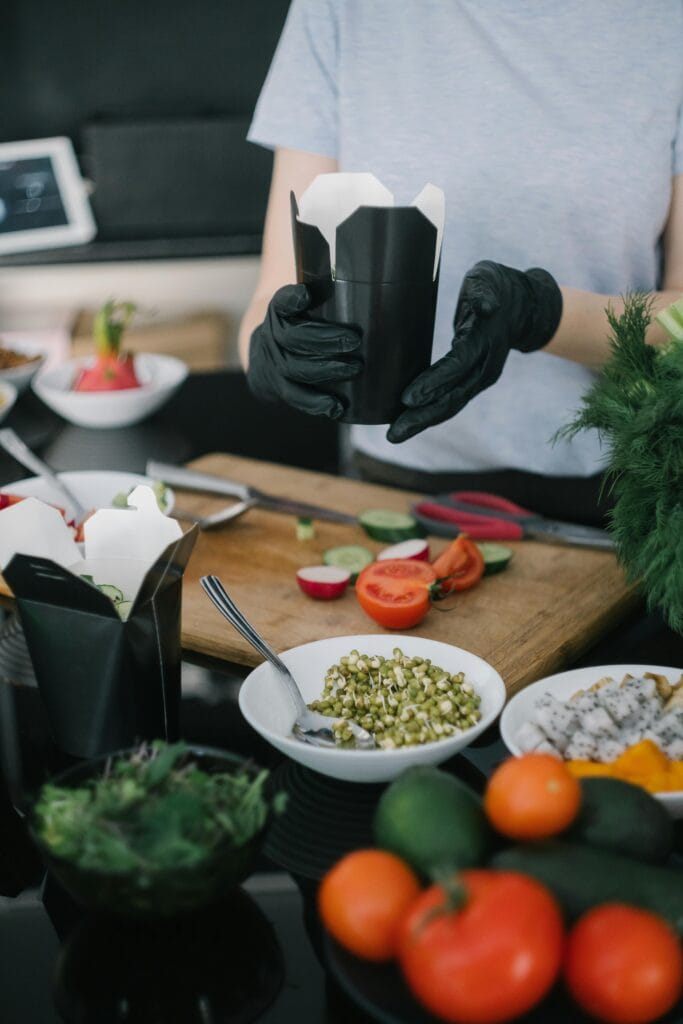
For tailored catering solutions that elevate your events, trust The Flavor Alchemy to deliver exceptional service and unforgettable culinary experiences. Explore our gourmet catering menu to discover a range of thoughtfully crafted dishes designed to impress your guests. To learn more about our comprehensive offerings and how we can support your weddings, birthdays, baby showers, or corporate events, visit our services page. Follow us on Instagram for the latest updates, event inspiration, and behind-the-scenes moments. Contact us today to discuss your event requirements and let our team create a bespoke catering experience tailored to your vision.